
A gentle plant ally for soothing irritated skin – Jewelweed for poison ivy
If you spend time outdoors, chances are you’ve crossed paths with poison ivy at some point. The itchy, uncomfortable rash it causes can linger for days or even weeks, leaving many people searching for simple ways to calm their skin.
For generations, herbalists and nature lovers have turned to jewelweed, a humble wild plant often found growing near streams, forest edges, and — interestingly — in the same places poison ivy grows.
While it’s not a medical treatment, jewelweed has long been valued as a traditional herbal ally for soothing irritated skin. Many people use it as part of their natural approach to caring for skin after outdoor exposure.
Let’s explore what jewelweed is, why people use it, and how it fits into natural care for itchy, irritated skin.
Table of Contents
🍃 What Is Jewelweed?
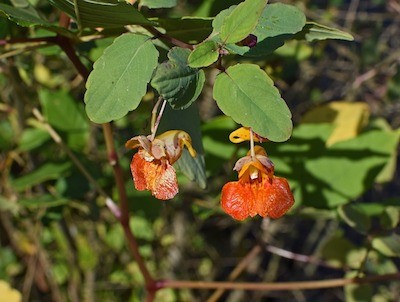
Jewelweed (Impatiens capensis) is a wildflower native to North America. It grows in moist woodland areas and produces small orange or yellow flowers that resemble tiny hanging jewels.
The plant is sometimes called:
- Touch-me-not
- Spotted jewelweed
- Wild impatiens
If you’ve ever brushed against the seed pods, you may have seen them spring open and scatter seeds, which is where the name “touch-me-not” comes from.
For generations, jewelweed has been used in traditional herbal practices as a soothing botanical for skin discomfort.
🌱 Why Do People Use Jewelweed for Poison Ivy?
One of the most common questions people search for is:
“Does jewelweed help poison ivy?”
While scientific research is limited, jewelweed has been used in folk herbal traditions for a long time to help comfort itchy skin after contact with plants like poison ivy, poison oak, and stinging nettle.
Many people appreciate jewelweed because it:
- Feels cooling on irritated skin
- Is traditionally used for itchy rashes
- Is a simple plant-based option for outdoor skin care
Because jewelweed often grows near poison ivy, it became known among hikers and herbalists as a plant ally found right where it’s needed.
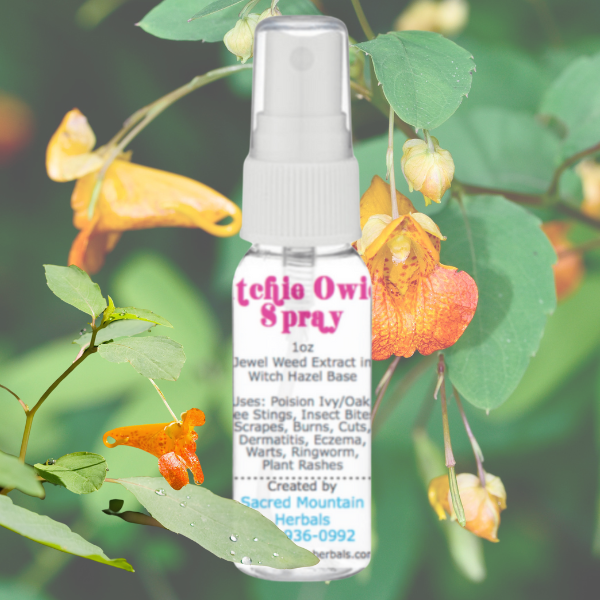
Itchie Owie Jewelweed Extract Spray
Jewelweed extract spray for relieving itching and dermatitis type skin rashes. Natural plant extract crafted with Jewelweed (Impatiens capensis) AKA Touch Me Not
Jewelweed for poison ivy
🌼 Why Jewelweed Often Grows Near Poison Ivy
Another common search question is:
“Why does jewelweed grow near poison ivy?”
Both plants thrive in similar environments — shady, moist soil along woodland edges and waterways.
Over time, people noticed that where poison ivy grows, jewelweed is often nearby. This observation helped establish jewelweed’s reputation as a plant people could turn to when spending time outdoors.
While nature doesn’t always arrange things this neatly, many hikers and foragers still remember the saying:
“Where poison ivy grows, jewelweed may grow too.”
Add this section:
🍃 How to Identify Poison Ivy
Poison ivy can grow as a vine, ground plant, or small shrub depending on the environment. The leaves usually grow in groups of three, which is why people often remember the phrase:
“Leaves of three, let it be.”
Poison ivy leaves may appear:
• glossy or slightly dull
• smooth or lightly toothed
• green in spring and summer
• red or orange in fall
Learning to recognize the plant can help people avoid accidental contact while hiking, gardening, or exploring wooded areas.
🌿 Simple Poison Ivy Home Remedies People Use
Many people look for simple ways to care for their skin after exposure to poison ivy. While severe reactions should always be evaluated by a healthcare professional, some gentle home practices are commonly used to help comfort irritated skin.
Common poison ivy home remedies include:
• rinsing skin soon after outdoor exposure
• cool compresses to calm itching
• oatmeal baths for soothing relief
• gentle herbal sprays such as jewelweed
• plant-based balms made with skin-loving herbs
These simple approaches are often part of a natural outdoor skin care routine for hikers, gardeners, and nature lovers.
💧 How Jewelweed Is Traditionally Used
People searching for natural remedies often ask:
“How do you use jewelweed for poison ivy?”
There are several traditional ways jewelweed has been used for soothing irritated skin.
Fresh Plant Juice
When jewelweed stems are crushed, they release a watery juice.
Traditionally, people would:
- Crush the stems or leaves
- Apply the juice directly to irritated skin
This simple practice has been used for generations by hikers and herbalists in the field.
Herbal Jewelweed Sprays
Today, many people prefer a prepared jewelweed spray or extract, which can be easier to use than harvesting the plant fresh.
A jewelweed spray can be gently misted on the skin to help cool and comfort areas that feel itchy or irritated after time outdoors.
Many people keep one in their hiking pack, garden basket, or home herbal kit.
🌿 Other Natural Approaches People Use for Poison Ivy Discomfort
When people search for “poison ivy home remedy”, they are often looking for simple ways to help their skin feel more comfortable.
Some traditional approaches people use include:
Oatmeal Baths
Oatmeal is widely known for its soothing qualities. Many people add finely ground oats to bathwater to help calm itchy skin.
Cool Compresses
A clean cloth soaked in cool water can sometimes help provide temporary relief from itching and irritation.
Gentle Herbal Sprays
Herbal mists made with plants traditionally used for skin care — like jewelweed, calendula, or aloe — are often used as part of a gentle skin-care routine.
🌼 When Spending Time Outdoors
Of course, the easiest way to avoid poison ivy irritation is learning to recognize the plant.
Poison ivy typically grows as:
- a vine
- a ground plant
- or a small shrub
The well-known phrase “Leaves of three, let it be” helps many people remember how to identify it.
Wearing long sleeves, gloves, and washing skin soon after outdoor activities can also help reduce exposure.
🌿 A Plant That Has Been Trusted for Generations
Jewelweed may not be widely known outside herbal circles, but it has a long history of traditional use among people who spend time in nature.
Gardeners, hikers, and herbalists have appreciated this plant for generations as a simple botanical companion for soothing outdoor skin irritations.
For many people, jewelweed represents something beautiful about herbal traditions:
🌿 Nature often provides gentle plant allies right where we need them.
🌱 Keeping Simple Herbal Tools on Hand
Many people who enjoy herbal living like to keep a few simple botanical products nearby for everyday life outdoors.
A small herbal spray made with jewelweed can be a comforting addition to a natural first-aid kit, especially for those who spend time hiking, gardening, or exploring the woods.
🍃 Final Thoughts
Poison ivy can certainly make outdoor adventures less pleasant, but many people find comfort in turning to time-honored herbal traditions to care for their skin.
Jewelweed has been valued for generations as a gentle plant ally — one that reminds us that nature often holds simple solutions close at hand.
And whether you discover it growing wild along a woodland path or keep a jewelweed spray nearby, it’s one more way to stay connected to the quiet wisdom of plants.
This article is for educational purposes and shares traditional herbal practices. It is not intended to diagnose, treat, cure, or prevent any disease. Always consult a qualified healthcare professional for medical concerns.