Table of Contents
Understanding Endocrine Disruptors in Personal Care Products
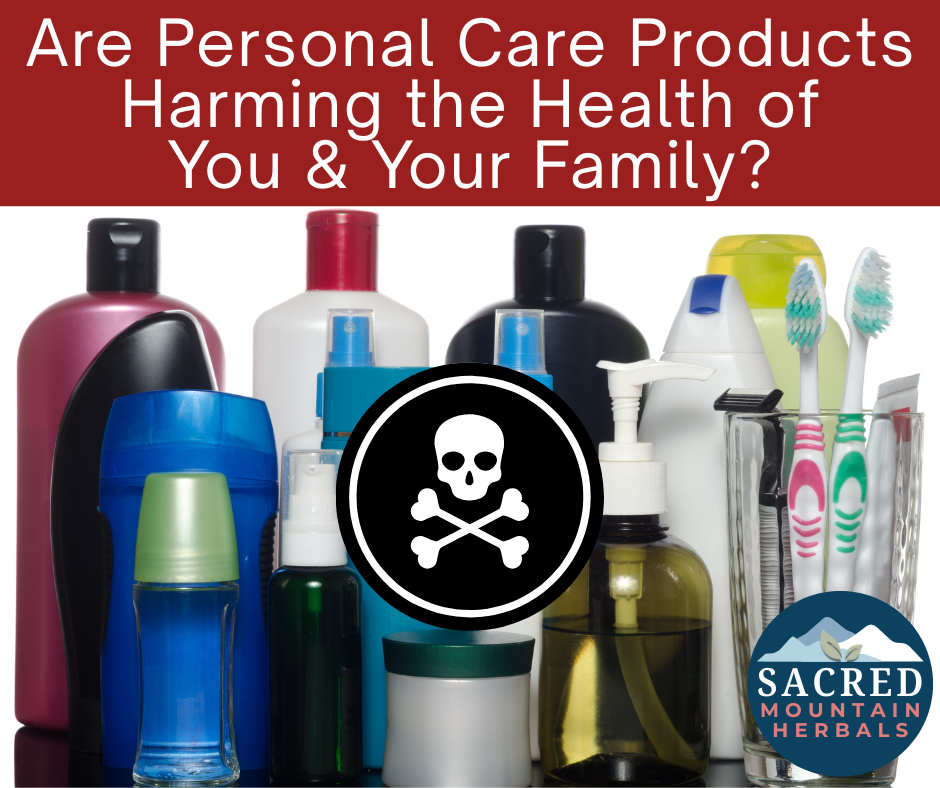
The realm of personal care is vast and diverse, encompassing everything from shampoos and soaps to lotions, cosmetics, and fragrances. While these products are designed to cleanse, protect, and enhance our appearance, many contain ingredients that may pose risks to our health. Specifically, the presence of endocrine disruptors in personal care products has become an increasing concern.
These chemicals can interfere with the body’s endocrine system—a vital network responsible for regulating hormones and maintaining bodily functions. Prolonged exposure to such disruptors has been implicated in various health complications, including hormonal imbalances, reproductive issues, and heightened risks of some chronic diseases. In light of these concerns, there is a burgeoning interest in natural skincare and natural personal care products as safer alternatives.
The Health Impact of Endocrine Disruptors
Endocrine disruptors are chemicals that can imitate or interfere with hormones, leading to unfavorable health outcomes. The endocrine system plays a pivotal role in regulating growth, metabolism, reproduction, and even mood. Disruptions in this finely-tuned system can have far-reaching consequences. Research has associated these chemicals with thyroid problems, infertility, irregular menstrual cycles, and increased vulnerability to hormone-related cancers like breast and prostate cancer.
For instance, in some studies, women exposed to high levels of endocrine disruptors reported more frequent menstrual irregularities and higher instances of breast cancer compared to those with lower exposures. Men have also shown adverse effects, such as reduced sperm quality and an increased risk of testicular cancer. These findings underscore the importance of understanding and limiting exposure to such harmful substances.
Phthalates and Parabens: Common Culprits
Among the notorious endocrine disruptors are phthalates and parabens. Phthalates are a group of chemicals commonly used to increase the flexibility and longevity of plastics. However, they are also prevalent in personal care products like fragrances, hairsprays, and nail polishes. Phthalates are known to disrupt hormone signaling, potentially leading to conditions such as insulin resistance and obesity.
Parabens, another prevalent group of chemicals, are widely used as preservatives in cosmetics and other personal care items. They are capable of mimicking estrogen, thereby potentially causing estrogen imbalance and fostering conditions conducive to the development of breast cancer. Studies have even found parabens in breast cancer tissue, heightening concerns about their long-term effects.
Other Harmful Chemicals in Personal Care Products
Beyond phthalates and parabens, several other chemicals in personal care items are deemed endocrine-disruptive. Triclosan, for instance, is an antibacterial agent commonly found in soaps and toothpaste. Meanwhile, oxybenzone, an ingredient often used in sunscreens, has been implicated in endocrine disturbances, reproductive issues, and developmental anomalies in animal models.
Why Choose Natural Personal Care and Natural Skincare Products?
Given the potential dangers posed by endocrine disruptors, there is a growing advocacy for the use of natural personal care products and natural skincare options. These products are often free from synthetic chemicals, offering a safer alternative for those looking to maintain their health and wellbeing.
Benefits of Natural Personal Care Products
- Healthier Ingredients: All natural personal care products typically avoid synthetic chemicals, opting instead for naturally derived and plant-based, non-toxic ingredients. As such, they minimize hormone-disrupting risks and help maintain hormonal balance.
- Environmental Impact: Many natural skin care products incorporate eco-friendly, biodegradable ingredients such as plant extracts, essential oils, and botanicals. These components are not only gentle on the skin but also reduce environmental pollution.
- Reduced Chemical Load: By avoiding products laden with phthalates, parabens, triclosan, and oxybenzone, consumers can significantly decrease their chemical exposure.
Smart Shopping Tips for Choosing Natural Personal Care Products
Choosing the right personal care products requires vigilance and a keen eye for ingredient lists. Here are some tips for making informed, health-oriented decisions:
- Read Labels Carefully: Look for products labeled as “paraben-free,” “phthalate-free,” and “fragrance-free.” Such labels often indicate a commitment to reducing harmful chemical content.
- Research Ingredients: Familiarize yourself with common endocrine disruptors and scrutinize ingredient lists for these chemicals.
- Utilize Reliable Resources: The Environmental Working Group’s Skin Deep Database is a valuable tool for assessing the safety and toxicity of various cosmetics and personal care ingredients.
Resources for Informed Choices
Apart from databases, several online communities and blogs are dedicated to promoting natural skincare and personal care practices. These platforms provide insights and product recommendations based on user experiences and scientific research.
Conclusion
The continuous balancing act of human health and lifestyle choice is further complicated by the unseen threat of endocrine disruptors in personal care products. By understanding and actively avoiding these harmful chemicals, individuals can take proactive control over their health outcomes.
Embracing all natural and plant-based personal care products and natural skincare solutions is not only a proactive measure to ensure personal well-being but also a big step towards sustainable and environmentally conscious living. When we as consumers become more discerning and demand transparency and safety in product formulations, the shift towards all natural, safe, and effective personal care is deemed inevitable, promising a much healthier future for all.
Sources:
National Institute of Environmental Health Sciences:https://www.niehs.nih.gov/health/topics/agents/endocrine | Endocrine Disruptors and Your Health March 2023
Featured products
-

Avocado & Coconut Natural Moisturizer Lotion
$18.00 -

Handcrafted Vegan Soaps
$7.00 -

Natural Bug Away Spray
$14.00 -

Natural Skin Toner with Lavender or Rose
$18.00 -
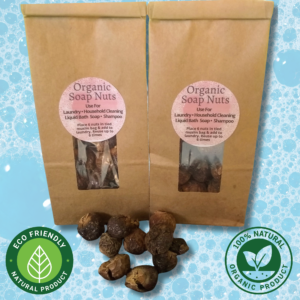
Soap Nuts- Natural and Eco-friendly Laundry And Bath Soap
Price range: $7.00 through $35.00
–